
The Bishop of Exeter has spoken about the ‘siren call’ of AI in his recent Presidential Address to the Exeter Diocesan Synod.
The Rt. Rev’d Dr Mike Harrison drew comparisons between the lure of artificial intelligence and the sirens of Greek mythology depicted in the recent film version of The Odyssey, based on Homer’s epic poem.

Bishop Mike joined fellow bishops doing a deep dive into AI at the recent meeting of the College of Bishops
Bishop Mike said “Odysseus has to sail past the island inhabited by the sirens, whose beautiful music had so enraptured many sailors before him that they jumped overboard in pursuit of the source of this intoxicating sound, ending up prisoners and eventually dying. It is in some ways a metaphor for addiction, and indeed a warning about the idolatry of desire.”
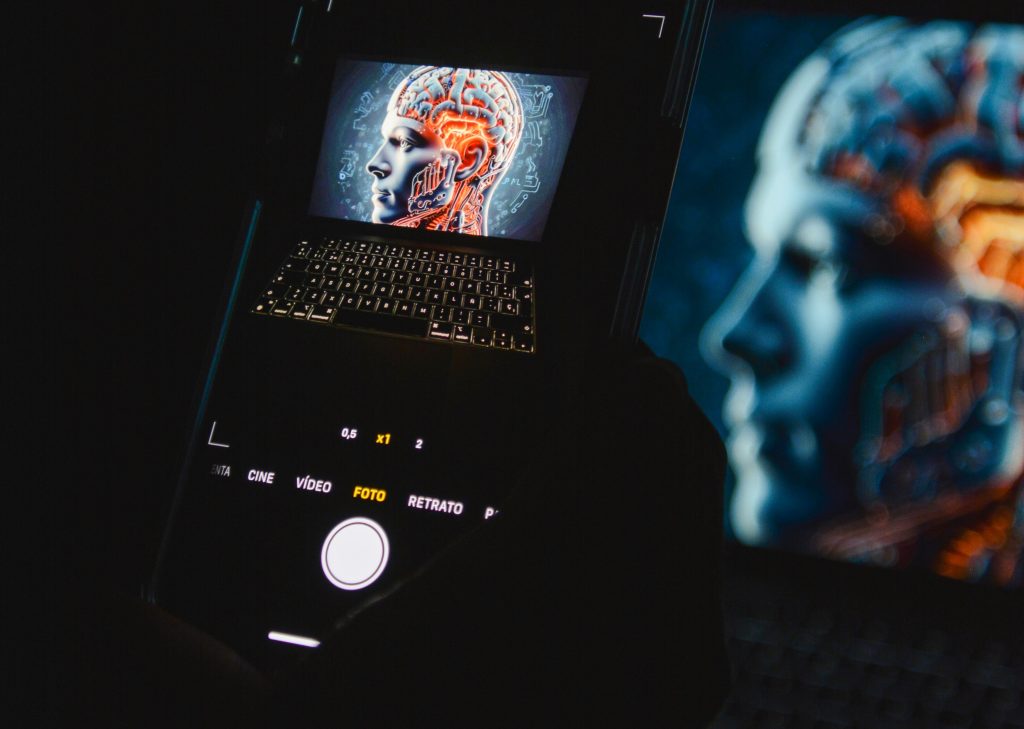
He spoke about the recent meeting of the Church of England’s College of Bishops, which did a deep dive into different aspects of AI: “We were discussing AI and how its alluring, siren calls of efficiency, speed and ease masked deeper more problematic questions of control by elites, manipulation of truth and apocalyptic possibilities,” he commented.
The bishop also said that while he concluded that AI represents ‘pattern recognition on a significant scale’ rather than ‘thinking beings’, there were important pastoral considerations such as people using AI to recreate conversation with a deceased person, utilising AI for spiritual discernment or confession to an AI conversation partner.
Far-reaching consequences
Bishop Mike said “The positives of AI are far-reaching; it can save time on summarising and drafting documents, provide quick answers to 1001 questions, provide specialised support for healthcare clinicians, the legal profession, scientists etc. But some of the negatives are far-reaching too. The potential loss of jobs, the environmental impact of huge data centres, plagiarism and with it a growing inability of learning to think as we allow AI to do it for us, the concentration of power and wealth in a very small elite controlling the AI industry, lack of access for the poor and thus increased socioeconomic inequalities.”
He reflected that there was no “putting the AI genie back in the tech lamp” and said “One thing is for sure, the Church needs to be appraised of the pros and cons of AI and be aware that what we offer in face-to-face human relationships, building and serving local community, centred on the person and way of Jesus Christ is a completely distinct and timely gift in an era such as this.
“If we regard AI as music, how is it that instead of being utilised by the sirens in ways which entrap, imprison and corrode humanity, a more beautiful song is played which serves, equips and enables?”
The Diocese of Exeter is working to produce some simple AI principles and guidance to help navigate the new world of AI from a practical, ethical and theological viewpoint. The aim is to publish these by Christmas.
Read the AI Guidelines for Christian Ministry which have been published by the AI Christian Partnership.